Magic Fairy Font for Web Design
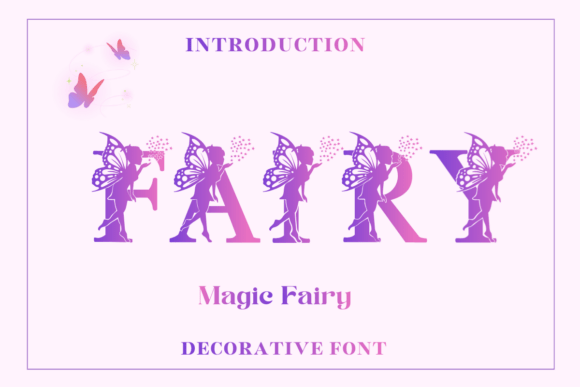
Testing Magic Fairy in a hero section of a boutique online store, I was immediately drawn to its whimsical and enchanting character. Each letter is transformed into an illustrated silhouette of a stylized fairy with prominent wings, giving the font a feminine and tall aesthetic that feels both magical and modern.
Magic Fairy for Creative Portfolio Headers and Brand Identity
Magic Fairy works exceptionally well as a display font for creative portfolio headers or brand identity elements. Its illustrated silhouettes add a unique visual flair that can elevate a digital brand's personality. When used in a portfolio homepage, it creates a sense of elegance and artistic expression that aligns perfectly with the work being showcased.
As a web designer, I found that using Magic Fairy for a logo or header text helped establish a clear visual theme. It pairs well with simpler sans serif fonts for body copy, creating a balanced contrast between decorative and functional typography. This approach maintains readability while allowing the font to stand out where it matters most—on high-impact design elements.
Magic Fairy for Boutique Online Store Banners and Product Headlines
In a boutique online store, Magic Fairy can be used for product headlines or banner text to draw attention and create a more immersive shopping experience. The font’s whimsical nature complements products like handmade jewelry, artisanal candles, or vintage-inspired clothing, reinforcing the brand’s storytelling and aesthetic.
When placed over image banners, the font’s detailed silhouettes add depth and interest without overwhelming the background. However, it's important to test it on different screen sizes and ensure it remains legible on mobile devices. For smaller screens, reducing the font size slightly or adjusting line spacing can help maintain clarity and user engagement.
Magic Fairy for Coaching Websites and Course Sales Pages
On a coaching website or course sales page, Magic Fairy can be used for headline text to capture attention and convey a sense of inspiration. Its tall, feminine structure gives it a soft yet confident presence, making it ideal for content focused on personal growth, wellness, or creativity.
While the font is highly decorative, it's best suited for short phrases or headings rather than long paragraphs. Using it for call-to-action buttons or section titles adds a touch of uniqueness without sacrificing usability. Pairing it with a clean, readable sans serif font for body text ensures the overall layout remains accessible and professional.
Magic Fairy for Blog Headers and Digital Brand Kits
For blog headers, Magic Fairy can bring a fresh and playful tone to the content. It works particularly well for blogs centered around lifestyle, fashion, or creative industries. When used consistently across a digital brand kit, it helps reinforce a cohesive visual identity that feels both memorable and polished.
When integrating Magic Fairy into a brand kit, I made sure to check the available styles, weights, and file formats. Ensuring webfont availability and proper licensing is essential before using it on client projects or public-facing websites. This step helps avoid potential issues with font rendering or legal compliance.
Magic Fairy for Campaign Landing Pages and Social Media Graphics
On campaign landing pages, Magic Fairy can be used to highlight key messages or promotional offers. Its decorative nature makes it ideal for short, impactful statements that need to stand out from the surrounding content. Whether it's a seasonal promotion or a new product launch, the font adds a sense of excitement and charm.
For social media graphics, Magic Fairy can be used in post headers, captions, or branded visuals to create a more engaging and visually appealing presence. However, it's important to consider how the font looks in different contexts, such as dark backgrounds or image overlays. Testing it in these scenarios ensures it remains legible and effective across all platforms.
Magic Fairy for Website Headers and Section Headings
Using Magic Fairy for website headers or section headings can add a distinctive touch to any digital layout. It works well for sections that require a bit of personality, such as "About Us," "Services," or "Testimonials." The font’s tall structure allows it to fit comfortably within typical header layouts while maintaining a strong visual presence.
However, it's crucial to balance its use with other typographic elements. Overusing Magic Fairy can lead to a cluttered or inconsistent design. Instead, using it strategically for key headings and pairing it with simpler fonts for supporting text helps maintain a clean and organized look.
Magic Fairy for Web Typography and Responsive Layouts
When working with responsive layouts, I tested Magic Fairy on various screen sizes to ensure it remained readable and visually appealing. On larger screens, the font’s details shine through, adding a sense of luxury and artistry. On smaller screens, I adjusted the font size and spacing to prevent overcrowding and maintain legibility.
For fast-loading visual content, I also considered the font’s file size and performance impact. Choosing the right format and optimizing the font files helped ensure smooth loading times without compromising the design’s quality. This is especially important for websites that rely on high-quality visuals and user engagement.
Magic Fairy for Display Typography and Decorative Accents
Magic Fairy is best suited for display typography and decorative accents rather than body text. Its intricate details make it ideal for headings, logos, or visual elements that need to catch the eye. Using it as a decorative accent in a layout can add a unique touch that sets a brand apart from competitors.
When used sparingly, Magic Fairy enhances the overall design without overwhelming the user. It’s perfect for adding a touch of whimsy to a project, whether it’s a small business website, a creative portfolio, or a digital marketing campaign. Its ability to evoke emotion and personality makes it a valuable addition to any designer’s toolkit.